A Sweet Treat for Embroidery: The Bitten Heart Cookie
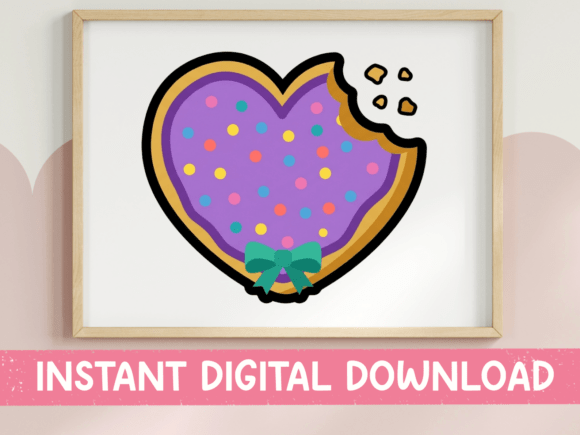
The moment I loaded the Bitten Heart Cookie Sticker Design, I smiled. It’s not just a graphic; it’s a mood. That deep lavender cookie base, punctuated by coral, teal, yellow, and pink polka dots, creates a sense of playful sweetness that feels both nostalgic and fresh. This is a design with personality—a cheerful, charming heart shape that promises to translate into a delightful embroidered patch or a standout accent on custom apparel. It feels designed to connect, not just decorate.
Where This Cookie Finds Its Home
In practice, this embroidery file is a versatile player. I immediately pictured it on a cozy, off-white sweatshirt—a perfect boutique product for a small shop. The color palette is forgiving; it would pop beautifully on light backgrounds and, with smart stabilizer choice, could still shine on a dark tote bag. Its scale and theme make it a natural fit for baby embroidery on a romper or a nursery pillow cover, offering a gentle, whimsical touch. For crafters, it’s an obvious candidate for holiday embroidery—think Valentine’s gifts or a year-round “sweet treat” theme on kitchen towels and aprons.
One specific scenario I considered was using it for a personalized gift. Imagine a custom embroidered canvas tote for a baker friend, with this cookie design alongside their name. It’s that kind of thoughtful, thematic handmade product that elevates a simple item into a cherished gift. As an Etsy seller, listing a product featuring this design would attract not just Valentine’s shoppers, but anyone drawn to cute, food-themed aesthetics.
Practical Considerations for Stitching Success
While the design is charming, its execution requires attention. Those polka dots and the bitten edge detail are its defining features. On textured fabrics like some knit sweatshirts, small, dense fill stitch areas (like the dots) can lose clarity. It’s crucial to test the design on scrap fabric first, matching the final project’s material. For small hoop sizes, ensure the overall design isn’t too condensed, which could make the bitten edge look crowded.
Thread color contrast is key here. The described colors—lavender, coral, teal—need to be distinct against the fabric. I’d advise comparing the palette in both light and dark fabric mockups. On a black garment, for instance, that deep lavender cookie might need a slightly adjusted thread choice to maintain its intended hue and avoid looking muddy. Always use proper stabilizer, especially for stretchy fabric or items like caps where the curved surface can challenge stitch registration.
Designs That Tell a Story Build Customer Trust
Using a design like this effectively does more than adorn a product; it enhances product value. When stitched cleanly, with crisp dots and a smooth cookie outline, it communicates care and quality. That handmade presentation builds customer trust. For a craft business, consistency matters—if this cookie design becomes part of your brand’s visual language across aprons, towels, and baby items, it strengthens brand consistency and recognition. Its inherent giftability also boosts buyer engagement; people are drawn to items that feel like a ready-made, thoughtful present.
Notes from the Hoop: A Designer’s Checklist
Before running this machine embroidery design on a final project, here’s my practical workflow. First, I never skip the scrap test. It reveals everything about stitch density and how small details like the polka dots behave. Second, I check whether the design works for both personal and commercial projects by confirming the licensing terms—this is essential for small shop products and commercial embroidery. The product category is T-Shirt Designs and Graphics, so it’s likely versatile, but always verify.
I also recommend inspecting small details in a software preview, paying close attention to the bitten edge. On fabrics prone to fraying, a clean satin stitch or a solid running stitch outline will be crucial for durability, especially for items like kitchen linens that need frequent washing. For embroidered patch applications, the design’s closed shape is ideal.
Finally, consider its use in digital product previews and printable mockups. For digital embroidery file sellers, showcasing this design on a range of mockups—totes, tees, baby blankets—demonstrates its application potential to fellow crafters, making it a valuable design asset.
The Final Impression: A Confident Choice for Creatives
The Bitten Heart Cookie Sticker Design earns its place in the toolkit. It’s a design that feels considered, with a color palette that’s joyful without being overwhelming. It doesn’t try to do too much; it does one sweet thing very well. In a real embroidery project, it will translate into a conversation-starting finished product—a badge of personality on a sweatshirt, a touch of warmth on a baby gift, or a charming brand marker for a creative entrepreneur. Approach it with practical preparation, and it will repay that effort with stitches full of character.